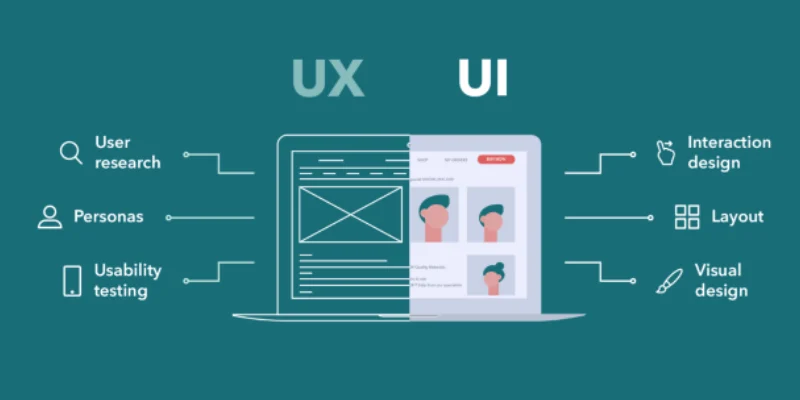
A well-structured interface and smooth user journey can make a significant difference in achieving this goal. Understanding how design influences user behavior is essential for anyone building a career in digital design. Learning through a UI UX Design Course in Pune helps individuals gain practical knowledge of creating user-friendly websites that not only attract visitors but also improve conversion rates through thoughtful, strategic design. It also equips learners with industry-relevant tools and real-time project experience, strengthening their design thinking.
Understanding User Behavior and Expectations
Every user visits a website with a purpose, whether it is to gather information, make a purchase, or explore services. When the design aligns with user expectations, it becomes easier to guide them toward desired actions. Clear navigation, familiar layouts, and intuitive interactions reduce confusion and increase engagement. By studying user behavior patterns, designers can create experiences that feel natural, helping users complete tasks efficiently without frustration. This understanding also allows designers to anticipate user needs and design proactive solutions.
The Role of First Impressions in Engagement
First impressions play a crucial role in whether users stay or leave a website. Visual hierarchy, color balance, typography, and spacing all contribute to how a website is perceived within the first few seconds. A clean and professional design builds trust immediately. Poor design, on the other hand, can lead to high bounce rates. A well-crafted interface encourages users to explore further, increasing the chances of conversion by keeping them engaged from the very beginning. Strong visual appeal also creates a lasting memory of the brand.
Simplifying Navigation for Better Results
Navigation acts as a roadmap for users, guiding them through the website. If users struggle to find what they are looking for, they are more likely to leave. Clear menus, logical page structure, and consistent navigation patterns improve usability. Designers focus on reducing unnecessary steps and making information easily accessible. Learning these techniques through a UI UX Design Course in Hyderabad helps individuals develop the skills needed to design seamless user journeys that drive higher conversion rates. Well-structured navigation also improves accessibility for diverse user groups.
Importance of Mobile-Friendly Design
With the growing use of smartphones, users expect websites to function smoothly across all devices. Responsive design ensures that content adapts to different screen sizes without sacrificing usability. Mobile-friendly layouts, touch-friendly elements, and fast loading times significantly impact user satisfaction. When users can easily interact with a website on their mobile devices, they are more likely to stay longer and complete desired actions, thereby improving conversion performance. This also enhances search visibility and overall user retention.
Enhancing Trust Through Consistency
Consistency in design builds credibility and trust. When elements such as colors, fonts, and buttons remain uniform across the website, users feel more comfortable navigating it. Consistent design reduces cognitive load, allowing users to focus on their goals rather than figuring out how the website works. Trust plays a vital role in conversions, especially in e-commerce or service-based platforms where users need confidence before making decisions. A consistent experience also strengthens brand identity over time.
Optimizing Call-to-Action Elements
Call-to-action elements guide users toward specific actions such as signing up, purchasing, or contacting a business. Their placement, color, size, and wording all influence user decisions. Effective design ensures that these elements stand out without overwhelming the user. Clear and concise messaging encourages users to take the next step. Understanding how to design impactful call-to-actions is a key skill that improves overall website performance and conversion rates. Testing different variations can further enhance effectiveness.
Improving Speed and Performance
Website speed is a crucial element of the user experience. Website speed is a crucial element of the user experience. Slow-loading pages can frustrate users and increase abandonment rates. Optimizing images, reducing unnecessary scripts, and improving backend performance contribute to faster load times. A fast website keeps users engaged and reduces the likelihood of them leaving during the conversion process. Performance optimization is not just a technical aspect; it is also a key component of an effective design strategy. Faster websites also improve search engine rankings and user satisfaction.
Using Data to Refine User Experience
Design decisions are more effective when backed by data. Tools like heatmaps, analytics, and user feedback help designers understand how users interact with a website. Identifying pain points and areas for improvement enables continuous refinement. A data-driven approach ensures that design changes are meaningful and result in better user experiences. Professionals trained through at FITA Academy often learn to analyze user data and apply insights to create high-performing designs. Continuous testing also supports long-term improvement.
Emotional Connection Through Design
A good design does more than function well; it also connects emotionally with users. Visual storytelling, relatable content, and appealing aesthetics create a positive experience. When customers feel connected to a brand, they are more likely to trust it and take action. Emotional engagement plays a subtle yet powerful role in improving conversions, as it influences user decisions beyond just functionality.
Reducing Friction in User Journeys
Friction occurs when users face obstacles while interacting with a website. Complicated forms, unclear instructions, or too many steps can discourage users from completing actions. Simplifying processes, minimizing input requirements, and providing clear guidance help reduce friction. A smooth and effortless experience encourages users to move forward without hesitation, increasing the likelihood of successful conversions. Streamlining processes also enhances overall user satisfaction.
Effective design is not just about appearance; it is about creating meaningful user experiences that drive results. By understanding user behavior, improving usability, and continuously refining design strategies, websites can achieve higher conversion rates. For those looking to build a future in this field, gaining structured knowledge and practical skills is essential. Enrolling in a UI UX Design Course in Mumbai can help individuals stay future-ready and develop the expertise needed to create impactful digital experiences that support long-term career growth. It also opens opportunities in various industries where user experience plays a crucial role.
Also Check : Top 5 Tips To Improve UI Design for Mobile Apps