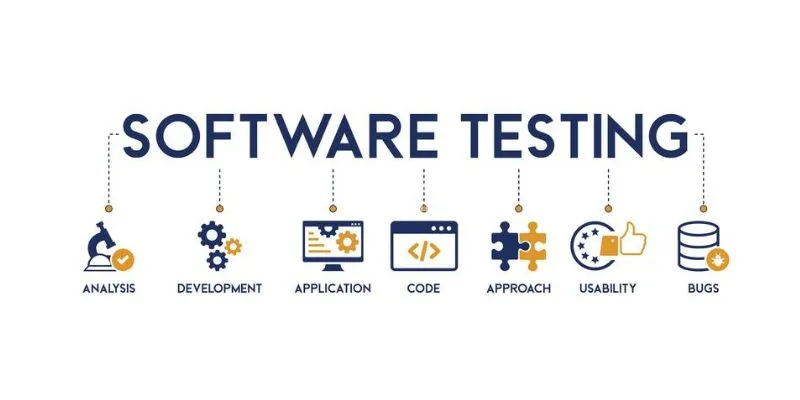
Modern users expect applications to be fast, secure, reliable, and intuitive across all platforms and devices. Even a minor bug, unexpected crash, or performance slowdown can negatively impact user satisfaction, leading to poor reviews and reduced trust in the product. Software testing helps prevent such issues by validating functionality, performance, usability, and security at every stage of development. By identifying defects early and ensuring seamless operation, testing significantly improves user experience (UX) and strengthens overall product quality. Gaining expertise through a Software Testing Course in Bangalore at FITA Academy equips professionals with industry-relevant skills to deliver stable, user-focused, and high-quality software solutions.
Understanding the Role of Software Testing
Software testing is a structured process used to evaluate an application and verify that it meets defined requirements and performs as intended. It involves examining various aspects such as functionality, performance, security, usability, and compatibility across multiple devices and platforms. Instead of being treated as a final checkpoint, software testing is an integral activity carried out throughout the entire software development lifecycle.
A well-planned testing approach enables development teams to identify issues early, minimize rework, reduce overall development costs, and provide a dependable product that satisfies user demands and corporate goals.
Enhancing User Experience Through Software Testing
User experience (UX) reflects how users perceive and interact with an application. A positive experience encourages engagement, loyalty, and satisfaction. Software testing contributes significantly to UX improvement in a number of crucial ways by ensuring smooth functionality, strong performance, and user-friendly design. Gaining practical knowledge through a Software Testing Course in Hyderabad helps professionals understand how quality assurance practices directly impact user satisfaction and product success.
1. Ensures Smooth Functionality
Functional testing confirms that all application features operate as expected. Elements such as buttons, forms, navigation menus, and workflows are thoroughly tested to prevent broken links or unexpected behavior. When users can complete tasks seamlessly without errors, their confidence and satisfaction with the product increase.
2. Improves Application Performance
Performance testing evaluates how an application responds under various conditions, including high user traffic and peak workloads. Issues like slow page loads, delayed responses, or Regular crashes can irritate users and result in abandonment. Identifying performance bottlenecks early helps ensure fast response times, stability, and a consistently smooth user experience.
3. Enhances Usability
Usability testing evaluates how intuitive and user-friendly an application is by assessing layout, navigation, clarity, and accessibility. A Software Testing Course in Delhi helps professionals master these skills. By identifying confusing interfaces or design inconsistencies, testing helps create applications that are easy to understand and use for both technical and non-technical users, resulting in higher user satisfaction.
4. Ensures Cross-Platform Compatibility
Users access applications through different browsers, devices, screen sizes, and operating systems. Compatibility testing ensures that the software performs consistently across all environments. This prevents layout issues, feature failures, and display errors, providing a uniform experience regardless of how users access the application.
Improving Product Quality with Software Testing
Product quality reflects how effectively software fulfills customer needs, technical requirements, and business goals. Software testing contributes significantly to improving product quality in the following ways:
1. Early Detection of Defects
Testing helps uncover bugs and functional issues early in the development cycle, when they are easier and less costly to fix. Learning these practices through a Software Testing Course in Trivandrum helps prevent critical issues from reaching production and reduces long-term maintenance efforts.
2. Increases Software Reliability
Reliability testing ensures that an application performs consistently over time and under repeated usage. By validating long-term behavior and stability, testing helps deliver dependable software that users can trust for daily operations.
3. Enhances Security
Security testing finds weaknesses that might reveal private information or business data. With rising cybersecurity threats, protecting applications from unauthorized access and data breaches is essential. Secure software strengthens user trust and improves the overall perception of product quality.
4. Supports Compliance and Industry Standards
Many industries require software to comply with regulatory, legal, and quality standards. Software testing ensures adherence to these guidelines, helping organizations reduce compliance risks and maintain credibility in regulated environments.
Manual and Automated Testing for Better Outcomes
Both manual and automated testing play vital roles in enhancing user experience and product quality. Manual testing is especially effective for exploratory testing, usability evaluation, and scenarios requiring human judgment. A Software Testing Course in Chandigarh helps professionals develop expertise in these essential testing practices. Conversely, automated testing is perfect for repetitive tasks like regression testing, which makes sure that features remain functional even after updates or improvements.
Maintaining the right balance between manual and automated testing allows teams to improve efficiency, accuracy, and testing coverage while accelerating delivery timelines.
Software Testing in Agile and DevOps Environments
Modern development methodologies such as Agile and DevOps emphasize continuous testing and rapid feedback. Frequent testing during each development iteration enables teams to detect issues quickly, adapt to changes, and deliver updates faster. Continuous integration and continuous testing practices help maintain quality while supporting faster and more reliable releases.
Business Benefits of Effective Software Testing
Beyond technical improvements, effective software testing offers several business advantages, including:
- Higher customer satisfaction and improved user retention
- Reduced post-release defects and lower support costs
- Stronger brand reputation and customer trust
- Faster time-to-market with minimized risks
A thoroughly tested product not only meets user expectations but also supports long-term business growth and competitive advantage.
Software testing is a critical factor in delivering exceptional user experience and superior product quality. By ensuring reliable functionality, optimal performance, strong security, usability, and stability, testing helps organisations build applications that users trust and enjoy. Companies that invest in robust software testing practices can reduce risks, enhance customer satisfaction, and achieve sustainable success.
As user expectations continue to rise, software testing goes beyond identifying bugs and plays a key role in creating high-quality products and meaningful, long-lasting user experiences. Gaining industry-focused knowledge from a Business School in Chennai helps professionals understand how quality assurance contributes to business success and customer satisfaction.
Also Check: